Tell us about the job
Takes about a minute. No obligation.
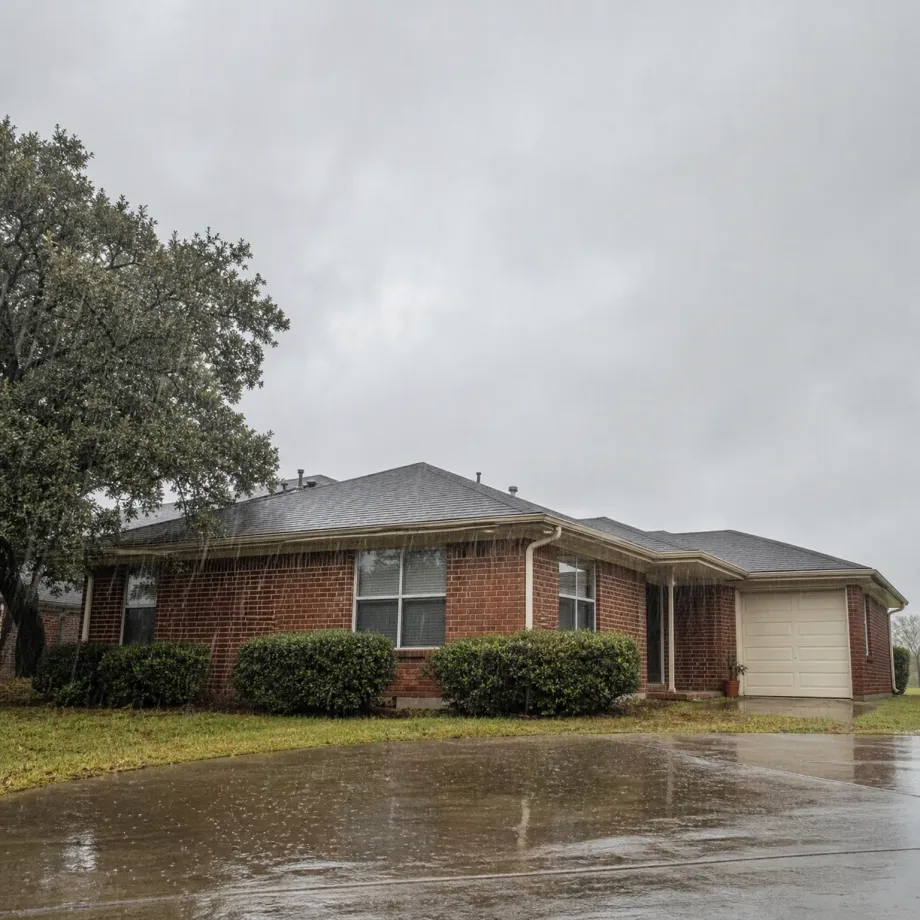
A contractor quoting a boiler repair in Upson County has to work out what actually broke the system before they can say what fixing it costs. 65 severe weather events were recorded in Upson County, Georgia between 2015 and 2024. At that rate, severe weather is a genuine part of life here, but occasional enough that it rarely explains why a boiler gives out. Age, sediment buildup, and years without a service visit are what a contractor finds behind most failures. A homeowner who assumes the weather is the culprit may be looking past a problem that has been developing quietly for years.
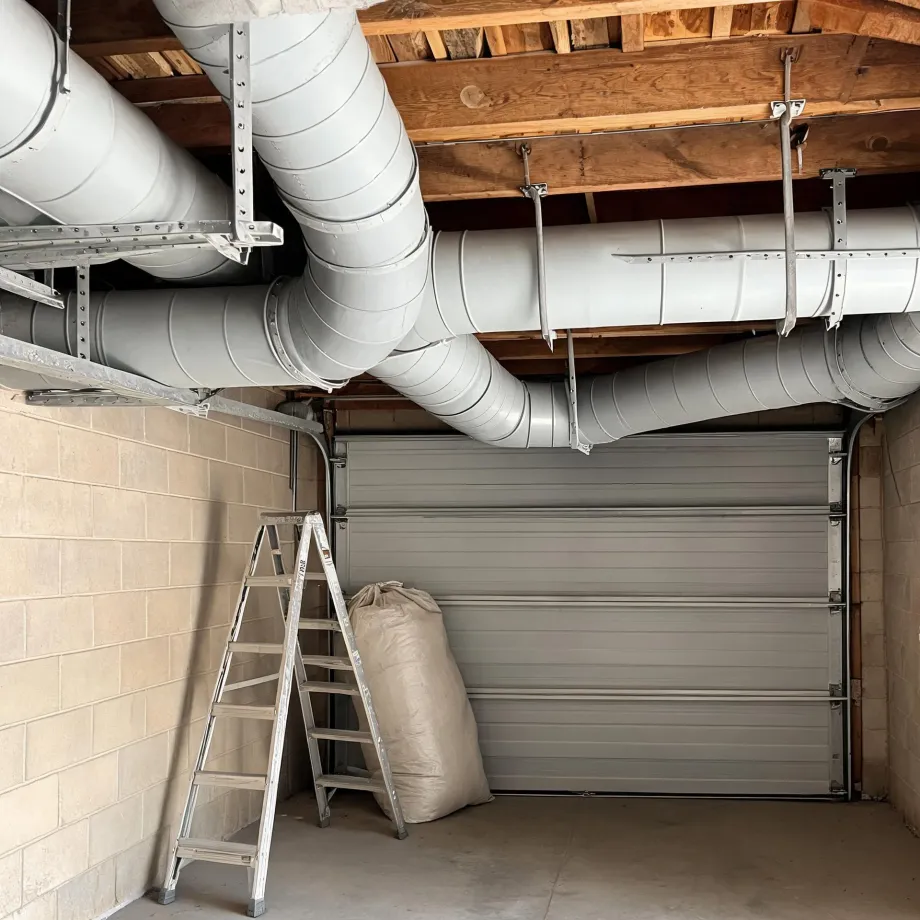
Boilers in houses this age carry a layered repair history. Original equipment has been swapped, added to, and worked around across enough ownership cycles that what a contractor finds when the unit is opened can differ substantially from what any permit record or visual inspection suggested. Half the homes in Upson County, Georgia were built in 1977 or earlier (2020-2024 ACS 5-year). Parts for systems that have been in service that long sit at the edge of what suppliers still stock, and a contractor pricing a repair here quotes against what the opened boiler actually holds, not against what the model plate says it should.
The Parts of a Boiler a Contractor Checks First
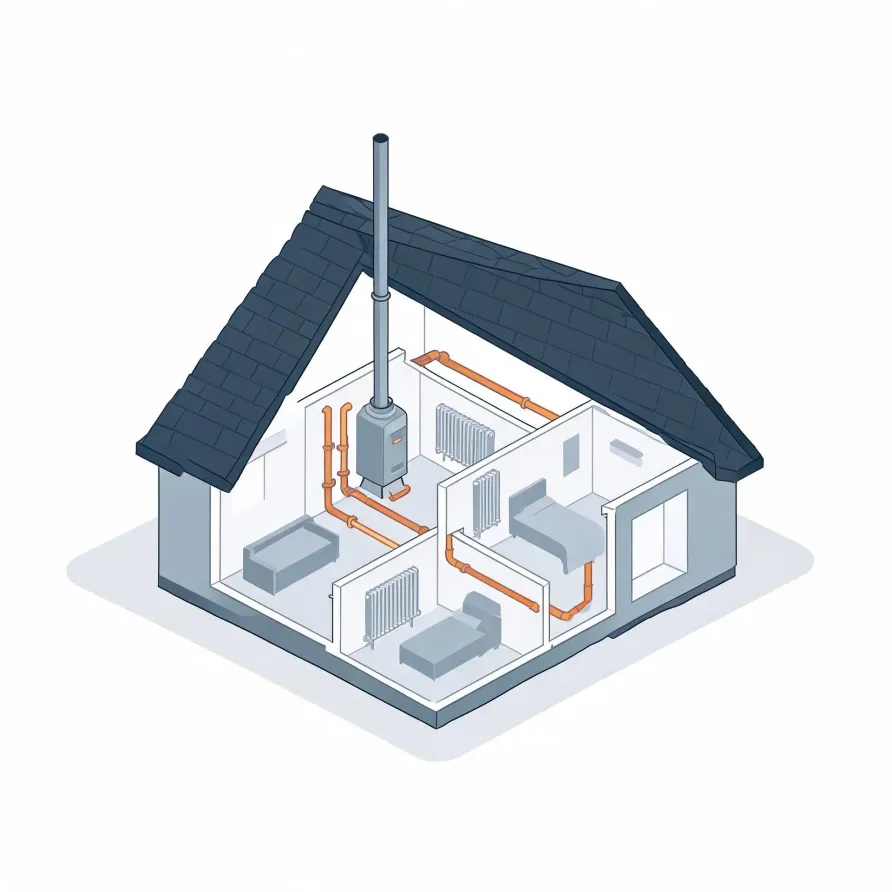
The boiler itself sits in a basement, utility room, or mechanical closet and is the piece a contractor goes to first. It holds and heats the water that feeds the rest of the system. When something is wrong here, the signs range from no heat at all to strange pressure readings on the gauge mounted to its body.
From the boiler, supply pipes carry hot water to radiators or baseboard units in each room, then return pipes bring the cooled water back. The circulator pump, mounted on those pipes close to the boiler, is what keeps water moving through the loop. The expansion tank hangs nearby and absorbs pressure changes as water heats and cools.
The drawing shows a typical layout, and a licensed contractor determines which components and conditions apply to your specific system.
Get matched in Upson CountyUpson County, by the numbers
65 severe weather events were recorded in Upson County, Georgia between 2015 and 2024.
NOAA National Centers for Environmental Information, Storm Events Database, bulk CSV export, events 2015-01-01 through 2024-12-31.Half the homes in Upson County, Georgia were built in 1977 or earlier (2020-2024 ACS 5-year).
U.S. Census Bureau, 2020-2024 American Community Survey 5-Year EstimatesUpson County, Georgia holds 12,434 housing units (2020-2024 ACS 5-year).
U.S. Census Bureau, 2020-2024 American Community Survey 5-Year EstimatesOwners occupy 61.0% of the occupied homes in Upson County, Georgia (2020-2024 ACS 5-year).
U.S. Census Bureau, 2020-2024 American Community Survey 5-Year EstimatesSevere Weather Events in Upson County
Boilers work hardest when outdoor conditions push hardest against them. How often that happens in Upson County shapes how much wear a system accumulates and what repair needs look like here.
65 severe weather events, 2015–2024. Source: NOAA National Centers for Environmental Information, Storm Events Database.