Tell us about the job
Takes about a minute. No obligation.
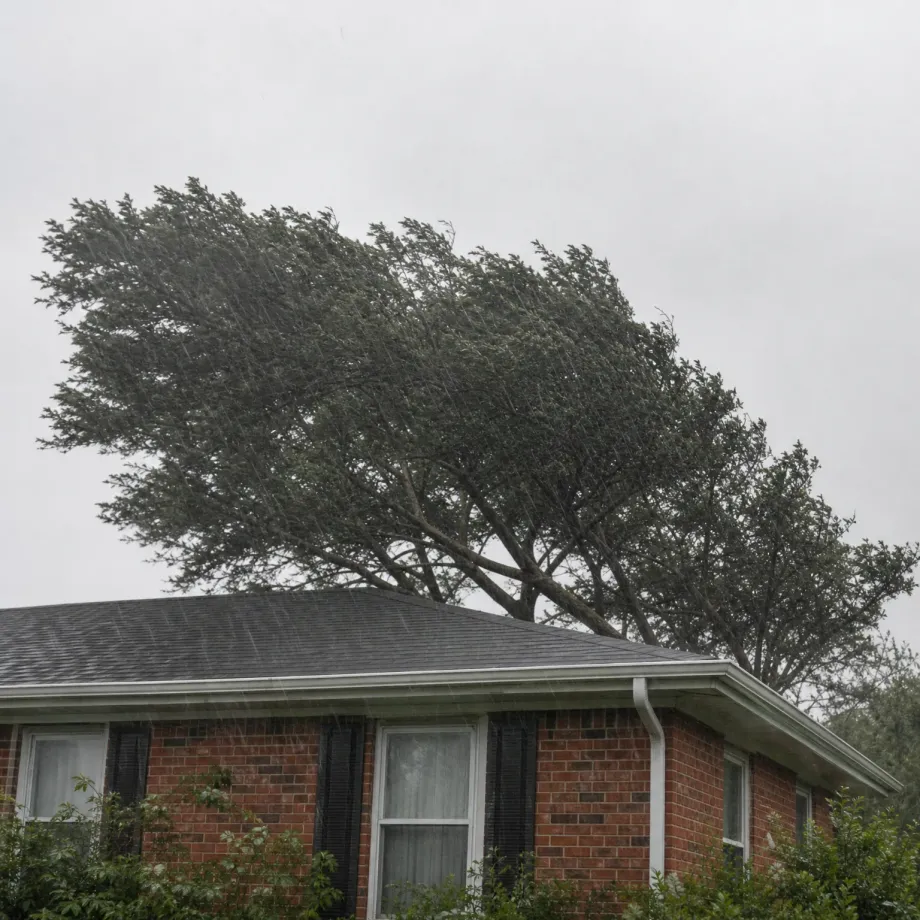
A boiler repair in Dawson County calls for a contractor who can tell weather-related wear from the ordinary kind. 58 severe weather events were recorded in Dawson County, Georgia between 2015 and 2024. At that rate, severe weather is a genuine factor in the operating life of equipment here, but it rarely accounts for a failure on its own. A cracked heat exchanger or a seized pump is more likely the product of deferred maintenance or age than of any single event, and a contractor who skips that question bills for the wrong repair.
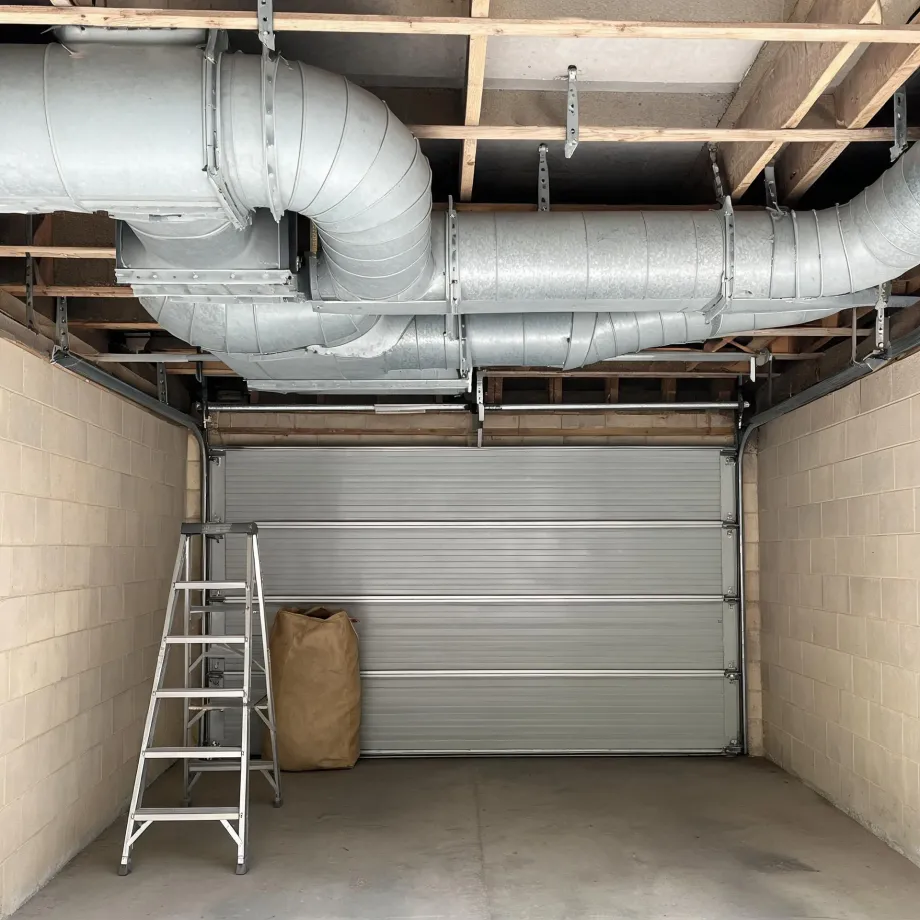
Boiler systems in stock this old tend to outlast the parts catalogs written for them. Half the homes in Dawson County, Georgia were built in 1999 or earlier (2020-2024 ACS 5-year). A contractor opening a boiler here checks whether the heat exchanger sections, zone valves, or aquastat controls the unit takes are still in production, and if a part has gone to special order or been discontinued, the scope of the repair changes before a price can be set. Age alone does not decide that question; what the opened system actually requires does.
The Parts of a Boiler a Contractor Checks First
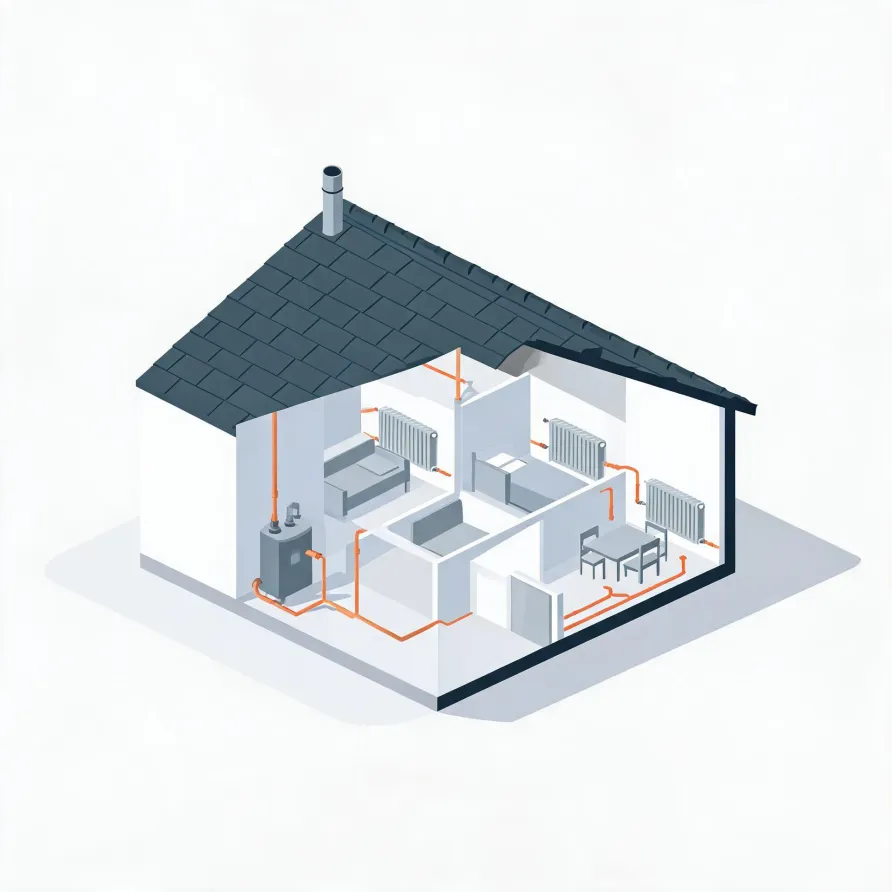
The boiler itself sits in a mechanical room, basement, or utility closet and is the piece a contractor reaches first. It heats water and pushes it through the system. When a boiler malfunctions, the heat exchanger, burner assembly, and pressure relief valve inside that unit are where a contractor starts looking.
From the boiler, pipes carry hot water to radiators or baseboard units in the living spaces, and a circulator pump mounted on those pipes keeps the water moving. The expansion tank, usually hanging near the boiler, absorbs pressure changes as water heats and cools. When a room stays cold or pressure readings drift, these are the components a contractor traces.
The drawing shows a general layout of these components, and a licensed contractor determines which parts apply to your specific system and what each one needs.
Get matched in Dawson CountyDawson County, by the numbers
58 severe weather events were recorded in Dawson County, Georgia between 2015 and 2024.
NOAA National Centers for Environmental Information, Storm Events Database, bulk CSV export, events 2015-01-01 through 2024-12-31.Half the homes in Dawson County, Georgia were built in 1999 or earlier (2020-2024 ACS 5-year).
U.S. Census Bureau, 2020-2024 American Community Survey 5-Year EstimatesDawson County, Georgia holds 12,992 housing units (2020-2024 ACS 5-year).
U.S. Census Bureau, 2020-2024 American Community Survey 5-Year EstimatesOwners occupy 78.7% of the occupied homes in Dawson County, Georgia (2020-2024 ACS 5-year).
U.S. Census Bureau, 2020-2024 American Community Survey 5-Year EstimatesSevere Weather Events in Dawson County
Boiler systems work hardest when the weather outside pushes hardest. How often that happens in Dawson County shapes how much stress the equipment accumulates over time, which is why local weather history is part of understanding what repair needs here actually look like.
58 severe weather events, 2015–2024. Source: NOAA National Centers for Environmental Information, Storm Events Database.