Tell us about the job
Takes about a minute. No obligation.
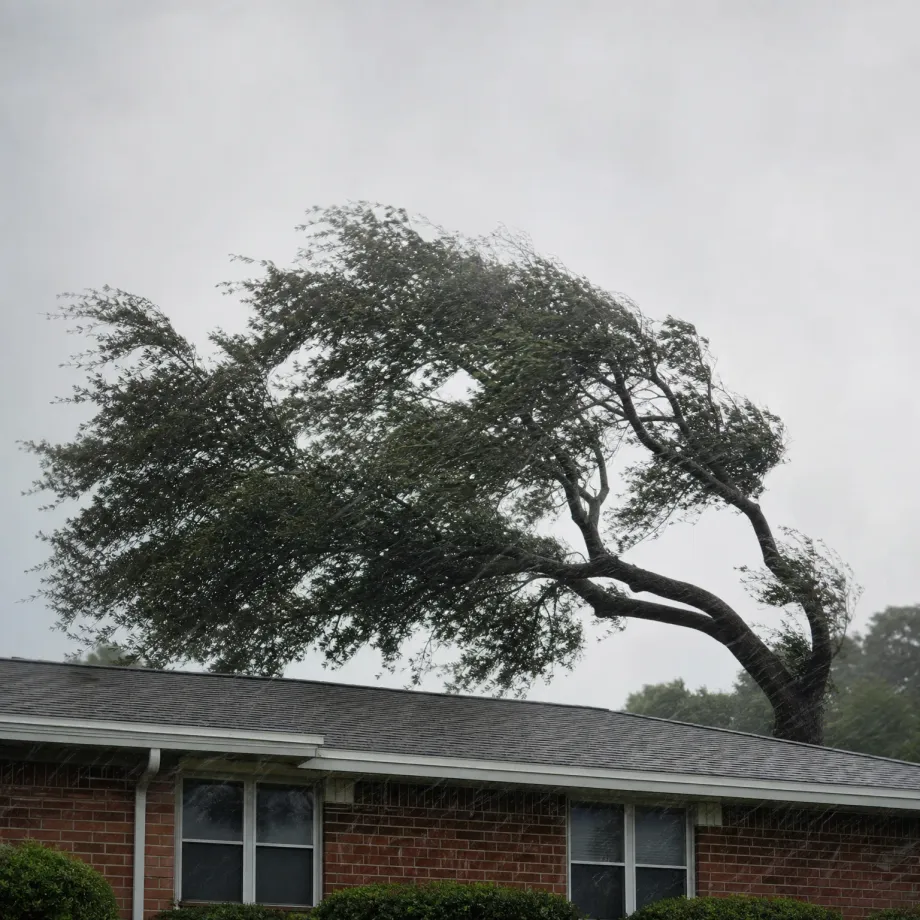
A boiler that fails in Evans County has usually been working against its own age, not against the weather. 51 severe weather events were recorded in Evans County, Georgia between 2015 and 2024. At that rate, severe weather is real but not relentless, and a contractor diagnosing a heat exchanger crack or a failed circulator pump will look at the installation date, the service record, and the condition of the expansion tank before drawing any other conclusion. Sediment buildup, corroded fittings, and worn seals are what a contractor finds opened up in systems here.
Boilers in stock this old accumulate wear in specific places: heat exchangers, zone valves, and expansion tanks that were built to tolerances and thread standards no longer common in what ships today. Half the homes in Evans County, Georgia were built in 1985 or earlier (2020-2024 ACS 5-year). A contractor who opens a boiler here runs into that gap regularly. The part the system needs may have a modern equivalent, or it may require sourcing from specialty suppliers, and that determination changes both the timeline and what the homeowner is deciding between.
The Parts of a Boiler a Contractor Checks First
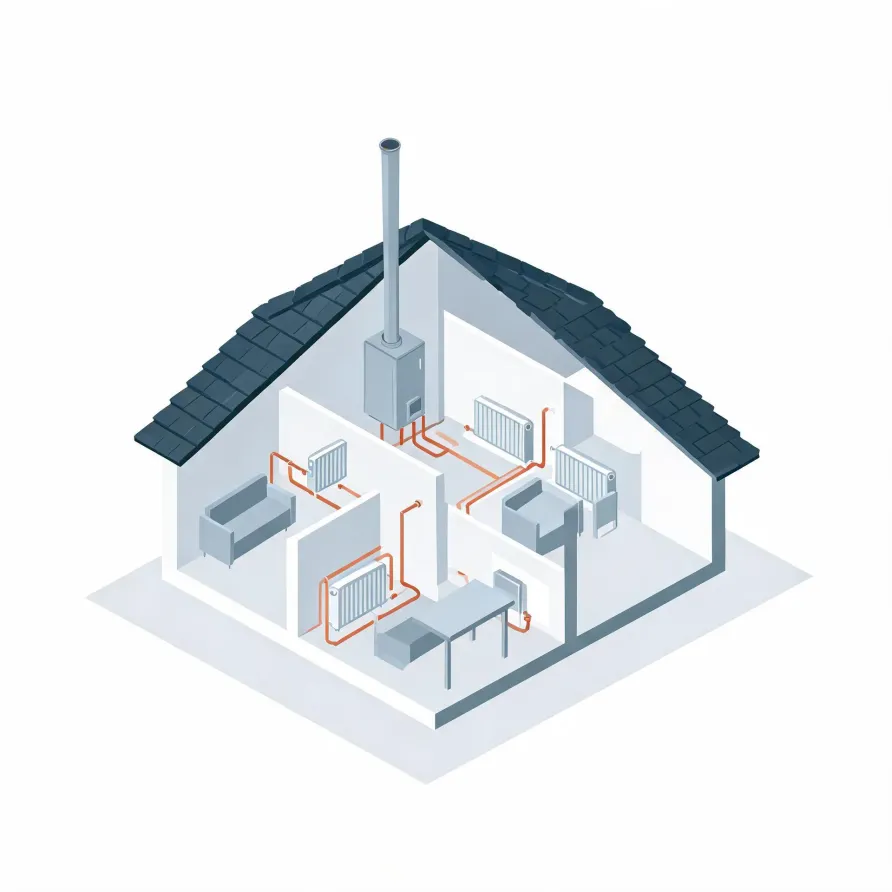
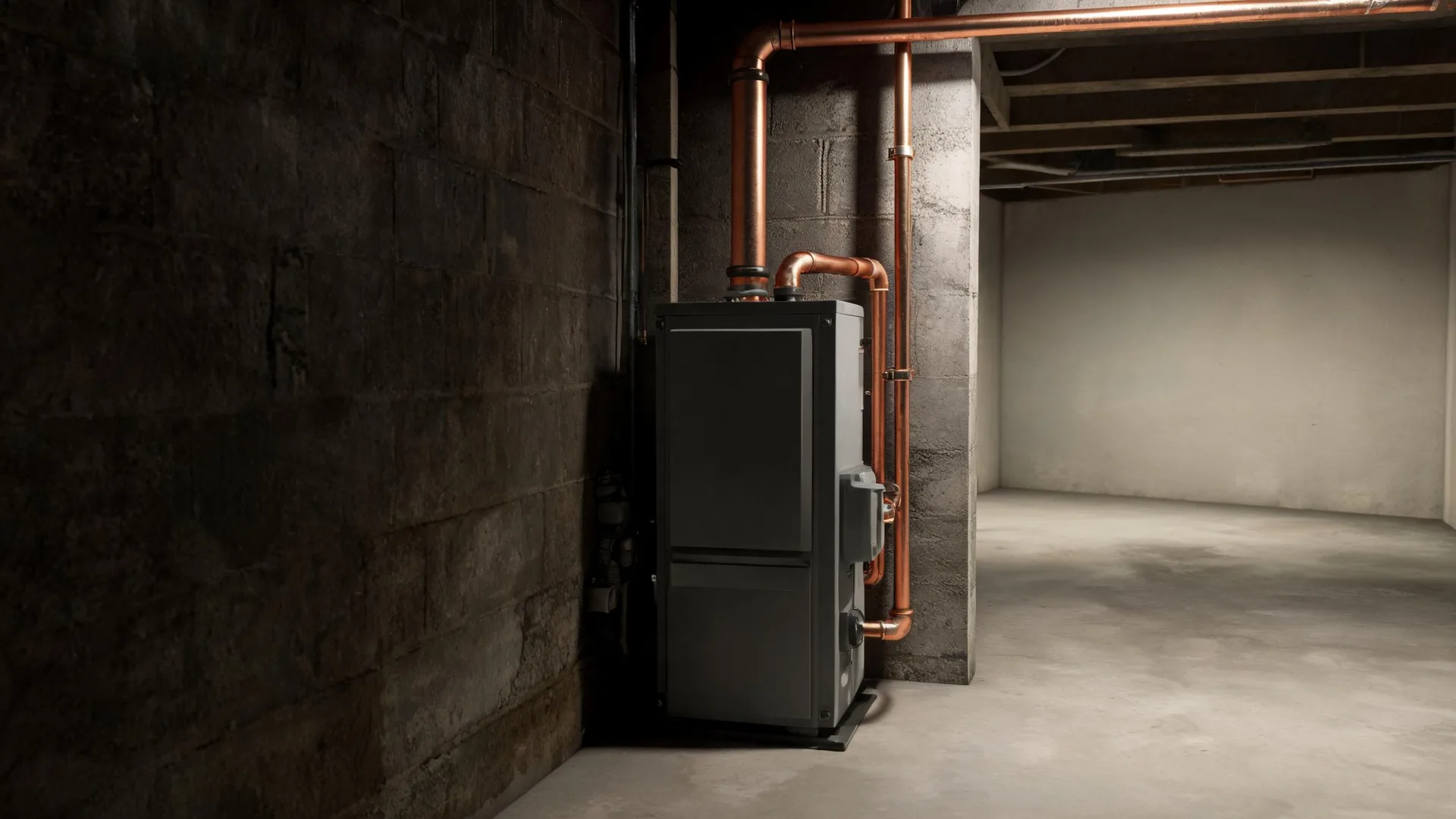
The boiler itself sits in a utility space, basement, or mechanical room and is the unit that heats water and circulates it through the system. When a boiler is the problem, a contractor looks at the heat exchanger, the burner assembly, and the ignition components, because a fault in any of those stops the unit from firing or holding temperature.
Radiators or radiant panels sit throughout the living spaces and are what actually deliver heat to the rooms. The circulator pump, expansion tank, and pressure relief valve sit close to the boiler and keep water moving at the right pressure. A contractor checks all of these when chasing an uneven heat or pressure complaint.
The drawing shows a typical boiler layout, and a licensed contractor determines which components apply to your specific home.
Get matched in Evans CountyEvans County, by the numbers
51 severe weather events were recorded in Evans County, Georgia between 2015 and 2024.
NOAA National Centers for Environmental Information, Storm Events Database, bulk CSV export, events 2015-01-01 through 2024-12-31.Half the homes in Evans County, Georgia were built in 1985 or earlier (2020-2024 ACS 5-year).
U.S. Census Bureau, 2020-2024 American Community Survey 5-Year EstimatesEvans County, Georgia holds 4,700 housing units (2020-2024 ACS 5-year).
U.S. Census Bureau, 2020-2024 American Community Survey 5-Year EstimatesOwners occupy 65.4% of the occupied homes in Evans County, Georgia (2020-2024 ACS 5-year).
U.S. Census Bureau, 2020-2024 American Community Survey 5-Year EstimatesSevere Weather Events in Evans County
Georgia weather puts real stress on boiler systems, and Evans County gets its share of conditions that push heating equipment hard. A boiler that takes that kind of workload needs repair work done by someone who knows what local demand actually looks like.
51 severe weather events, 2015–2024. Source: NOAA National Centers for Environmental Information, Storm Events Database.