Tell us about the job
Takes about a minute. No obligation.
A contractor quoting a boiler repair in Turner County starts with the equipment, not the season. 78 severe weather events were recorded in Turner County, Georgia between 2015 and 2024. That puts severe weather in the background of operating life here, present but not the dominant load. Age of the heat exchanger, sediment in the system, and the quality of the original installation are what drive most failures at this rate of exposure. The weather is worth noting; it is not where the diagnosis ends up.
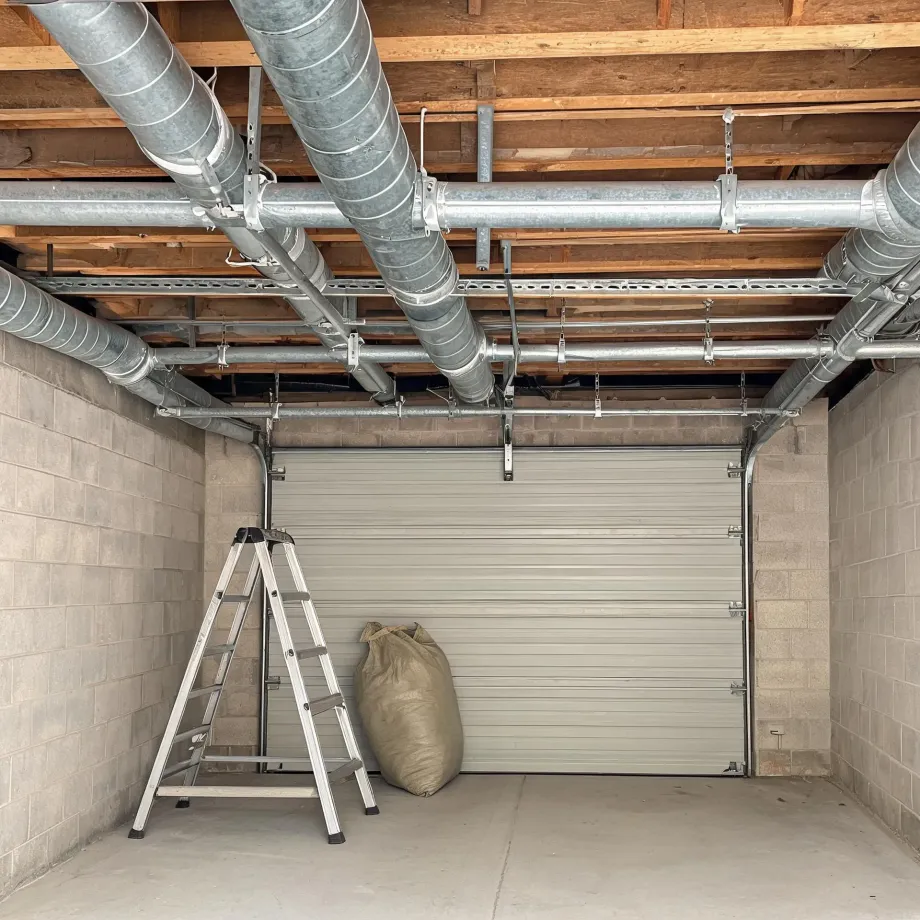
Boiler repair in a house built for older equipment often turns on a single question: whether the parts the system requires are still in production. Half the homes in Turner County, Georgia were built in 1977 or earlier (2020-2024 ACS 5-year). A boiler running in stock that old was almost certainly installed as a replacement, which means a contractor opening it finds components tied to a generation of equipment that manufacturers have long since moved past. Gaskets, heat exchangers, and control boards for those lines are not always available through standard supply channels, and what is available shapes how the repair goes and what it costs.
The Parts of a Boiler a Contractor Checks First
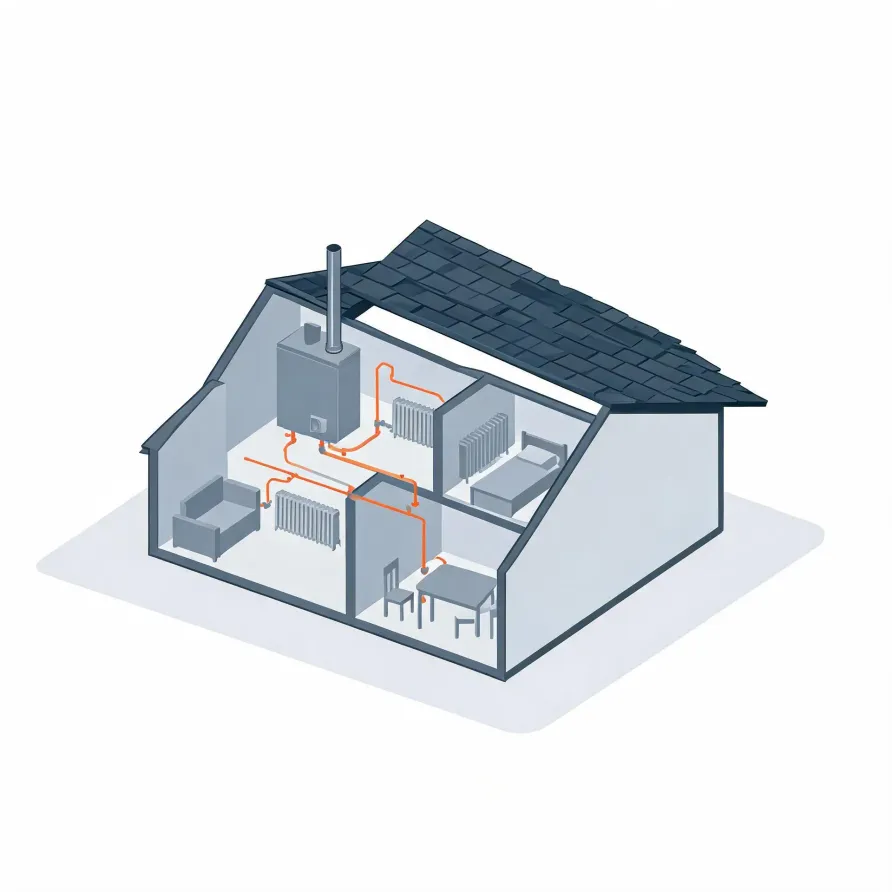
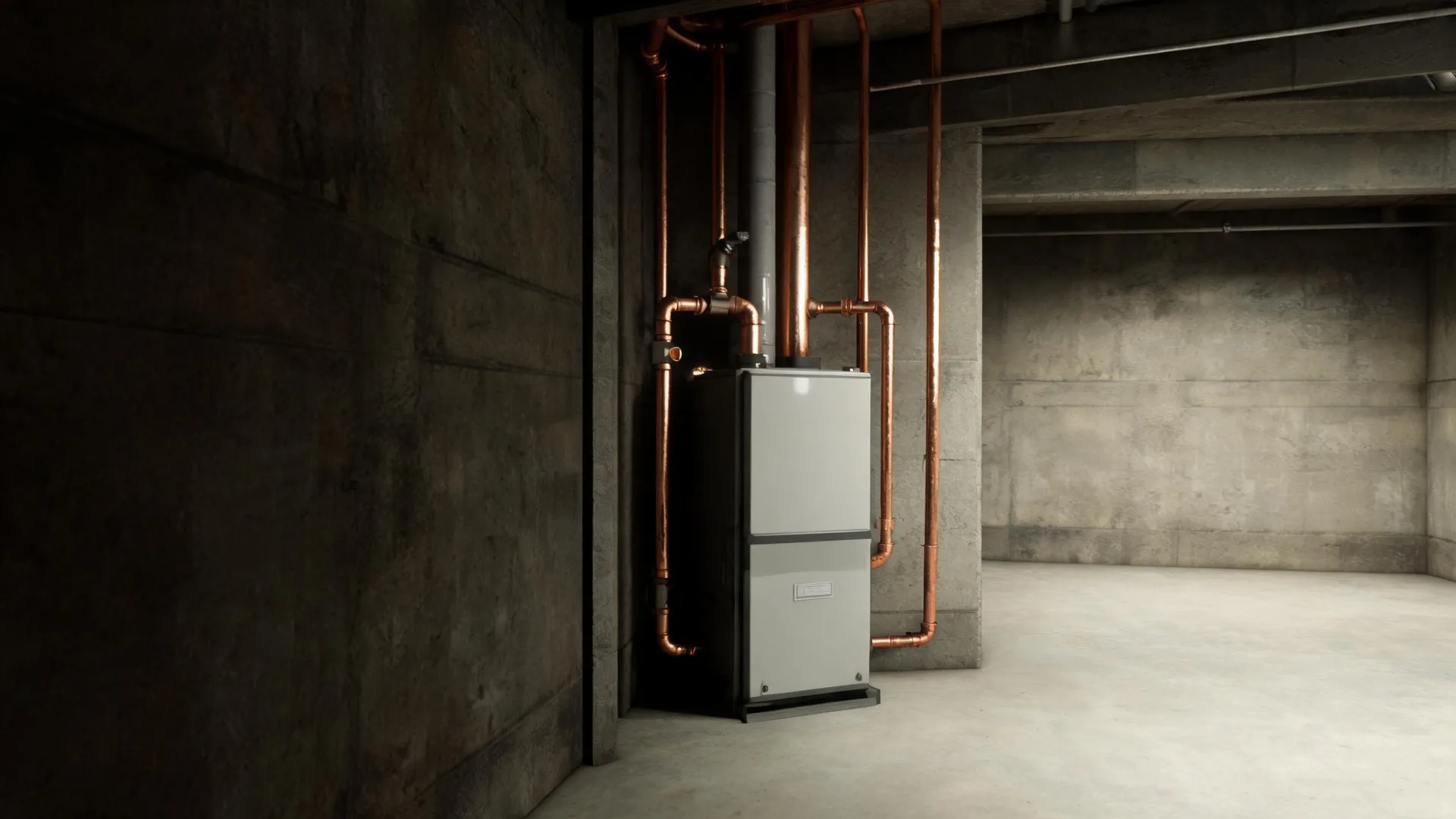
The boiler itself is the heart of the system, a sealed vessel that sits in the basement or a mechanical room and heats water using a gas burner or electric element. When a boiler acts up, a contractor starts here: the burner, the heat exchanger, and the pressure and temperature controls are the pieces most likely to be behind the trouble.
From the boiler, supply pipes carry hot water to radiators or baseboard units positioned throughout the living spaces, and a return line brings cooled water back. The circulator pump, which drives that loop, and the expansion tank, which absorbs pressure changes in the water, both sit close to the boiler and are common stops in any repair diagnosis.
The drawing shows a typical boiler layout, and a licensed contractor determines which parts apply to your specific system.
Get matched in Turner CountyTurner County, Georgia, by the numbers
78 severe weather events were recorded in Turner County, Georgia between 2015 and 2024.
NOAA National Centers for Environmental Information, Storm Events Database, bulk CSV export, events 2015-01-01 through 2024-12-31.Half the homes in Turner County, Georgia were built in 1977 or earlier (2020-2024 ACS 5-year).
U.S. Census Bureau, 2020-2024 American Community Survey 5-Year EstimatesTurner County, Georgia holds 3,927 housing units (2020-2024 ACS 5-year).
U.S. Census Bureau, 2020-2024 American Community Survey 5-Year EstimatesOwners occupy 63.8% of the occupied homes in Turner County, Georgia (2020-2024 ACS 5-year).
U.S. Census Bureau, 2020-2024 American Community Survey 5-Year EstimatesSevere Weather Events in Turner County
Weather in Turner County puts real load on heating equipment, and that load compounds over time. Boiler repair needs here are shaped by local conditions, which is why the pattern of recorded weather events belongs in a conversation about keeping that equipment running.
78 severe weather events, 2015–2024. Source: NOAA National Centers for Environmental Information, Storm Events Database.